Thursday, April 30, 2026
Home Blog Page 19

The Chinese Culture which surrounds Food

0

Excerpted by Tjan Sie Tek, from “Blondie in China: What I miss about China,” 21 June 2020

It’s not just the food that I miss in China. It’s also the culture that surrounds food and how food is such an integral part of Chinese culture and day-to-day social interaction as well as conversation. I would say a good 50% of the conversations I have with my good friends in China are about food about what we want to eat what we ate yesterday what we want to eat next week. What we’re planning on eating for our birthdays is always the top of the list of good conversations topic.

I just love how in China food really brings people together. There’s no doubt about it; even the way that Chinese eat, the eating custom, which is to share everything put in the middle of the table. Everyone’s helping themselves. It’s a shared thing that you do with friends that you do with family. You don’t have your own portion that you eat by yourself. It’s a shared experience. If you have been in China, you’ve probably gone to a Hot Pot restaurant and enjoyed sitting around a table, having the best time, eating your guts out with friends. It’s such a social activity or meeting up with a group of friends after a big night of partying at 3:00 a.m.

… It is basically the barbecued meat that you eat on the street, that you have these little plastic chairs that you sit on and you put it on with a big group of friends. You eat, you drink, you love, you be married. It’s just so much fun. I really missed this element of being in China.
About the very wide differences between food prices in China and those in Sydney, Australia
Another thing which I really miss about China is food and drink are a lot cheaper.

Let’s do a little comparison here. I’ve just come to get myself a hot oolong tea to you from a local milk tea place. It’s the same thing that I would order when I’m in China. This would cost me anywhere from 10 to 13 RMB which is like two (Australian) dollars, or two and a half dollars. This cost me $5, and the same with food I would generally say there’s a three to five-time markup on any dish that you get in Sydney compared to its prices in China. Here (in China), for example, a bowl of rice would cost you three RMB and, and (in Sydney) it cost you $3. That’s essentially a five-time markup. The other day, I went into a Taco Bar and had a compound chicken. It cost me $28. In China, I could probably get that at 28 RMB; again a five-time markup. Things are just a lot more expensive here (in Sydney) for essentially the exact same thing. I miss is cheap. Taxis so much in for me from my Sydney standpoint.
Taxis are just ridiculously cheap in China.

They are just ridiculously cheap to the point where I can cross the entire city of Beijing for the price it would take me to go one suburb away in Sydney. It’s absolutely ridiculous here the price of taxis; Probably the same for a lot of other Western countries: taxis are so expensive. But in China you can just get into a cab, go where you want, do what you want, if you just feel very mobile….

The things I’m really missing about China is just walking around and getting that energy that only in China Vibe. Honestly, you can walk in a straight line in a tiny City for hours and not be bored. Also, the cities are really, really cute. So you can literally walk in a straight line in a tiny City for hours and not even be halfway through it. If you’ve been to China, you’ll know what I’m talking about. This is vitamin, energy; walk around that you’ll always be pausing: interesting things; food stalls, people singing, people dancing….

Every Chinese Has 8 Bank Accounts and between 5 and 6 Debit Cards As of the End of 2019

0

20 June 2020

[14:34, 6/21/2020] Romo Tjan ST: According to data from the People’s Bank of China (PBOC; central bank of China) as of the end of 2019, China hosted a total of 11,352 billion bank accounts, showing a YoY increase of 12.07% and an acceleration rate of 2.24% compared to the end of the previous year.

As of the end of 2019, there were a total of 68.3687 million bank accounts belonging to agencies and institutions that had been opened in China, which means an increase in YoY (annual) growth of 11.73% and an acceleration of 0.15% compared to the end of 2018.

The total number of private bank accounts reached 11.284 billion, which means a YoY increase of 12.07%, and an acceleration of 2.25% compared to the end of 2018. That also means that every Chinese, including newborns, currently has 8.09 bank accounts . In Indonesia: total bank accounts are 301 million, so there are 1.18 accounts per person, which includes babies.

There are 7.673 billion debit cards and only 746 million dual cards (or debit plus credit cards) in China.

PBOC data shows stable growth in the number of bank cards, with a total issuance of 8.419 billion bank cards in China as of the end of 2019, representing a YoY growth of 10.82%.

Among that number, the number of debit cards (KD) that have been issued reached 7.673 billion, representing a YoY growth of 11.02%. That means every Chinese has 5.5 debit cards.

The number of dual-function cards (credit and debit cards) reached 746 million, YoY growth of 8.78%. So, every Chinese person has 0.54 double card, which means an increase of 8.36% from 2018.

In Indonesia

As of the end of March 2020, according to www.bi.go.id, the number of credit cards was 17.6 million, or 0.066 credit card per person, which included babies; 9.343 million ATM cards, and 180 million debit cards, or 0.67 combined double card per person, which includes babies. Conclusion: in Indonesia, there are still many opportunities for banks and other financial institutions to issue ATM cards, debut cards, and the like, especially if the economy is moving forward.

In the United States (US)

There are 1.06 billion credit cards; 70% of US people hold at least one credit card; 40% of Americans shop through credit cards; 14% of Americans have at least 10 households / person !!!

Debit cards account for 91.14% of the number of bank cards that have been issued in China.

Chinese people prefer to use cellphones for any payment

In China, especially in urban areas, it is difficult to pay for our transactions via credit cards except in luxury places, which are generally for foreign people and tourists. The majority of Chinese people transact through their cellphones, which include payments to taxi drivers, barbers, roadside traders, using the Alipay or WeChat Pay, which together control 90% of the transaction market via mobile phones there.

This electronic payment method is perfect for our current situation, namely contactless (avoid contact) with Bani notes and coins.

Western banks are afraid of Alipay and WeChat Pay coming to the West

Therefore, banks in other countries, especially the US, are afraid of the arrival of Alipay et al because US banks might later be able to only become business and personal creditors in large numbers. Shareholders and directors of Visa, MasterCard, Amex credit cards et al plus banks and financial institutions that the issuers of credit cards must have started to have difficulty falling asleep for fear of losing commissions of around USD 30 billion (IDR 450 trillion) per year from transactions through credit cards. Last year, Bloomberg broadcast a video entitled “U.S. Banks are terrified of Chinese Payment Apps (US banks are very scared of Chinese Payment Applications)”

At present, checks are still dominant in business payment transactions, salaries etc. The rest is via credit card. Americans are known for their “high standard” lifestyles, but their incomes cannot cover those lifestyle costs. As a result, their lives are like “bigger pegs than poles.”

Therefore, the total number of US citizens’ credit card loans is around USD 1.2 trillion (IDR 18,000 trillion) by the end of 2019. So, every US family owes a credit card debt of around USD 10,000 (IDR 150 million). Because of the pandemic, the number will rise rapidly in 2020 and there will be many defaults or arrears for months because there are around 40 million unemployed people in the US today.
[14:56, 6/21/2020] Romo Tjan ST: The total amount of Foreign Direct Investments in Shanghai, China, exceed that of Indonesia, and the Strategy to attract foreign direct investors
By Tjan Sie Tek, 15 June 2020

The Shanghai Municipal Trade Commission reports that 738 multinational corporation regional headquarters have been established in Shanghai City by the end of 2020.

In addition, 468 foreign research and development (R&D) centers, which include that of Microsoft, have been established there as of the same date.

All of these investments totaled USD 263 billion as of the end of April 2020. The total amounts of FDI in China as of the end of 2016, 2017 and 2019 were USD 1,354 trillion, USD 1,458 trillion and USD 1,637 trillion, excluding FDI stock in Hong Kong SAR and Macao SAR, which are special government areas of China.

Despite the pandemic, foreign capital flows to Shanghai rose 4.1 percent year on year (yearly) to around USD 6.46 billion in the first four months (or January-April) 2020, officials at the Singapore-Shanghai Economic Cooperation Roundtable Conference on June 1, 2020.

In comparison, FDI to Indonesia amounted to USD 6.4 billion, the lowest figure for the past 1.5 years, during January-March 2020, down 9.2% YoY (tradingeconomics.com; UNCTAD World Investment Report 2019).

A total of 15 MNC regional headquarters and seven new foreign-funded R&D centers were established in Shanghai in the January-April 2020 period. The city is targeting the establishment of 40 MNC regional headquarters and 15 new R&D centers for 2020 (china-briefing.com , 10 March 2020)

Chinese Government Subsidies for Foreign R&D Centers

The Chinese government subsidizes foreign R&D centers established throughout China, which include Hong Kong, Macau and Taiwan, with various tax breaks and steps. One goal: that the Chinese people can become researchers and developers of world-class products and services with a salary of USD 100,000 and above per person per year.

Therefore, they award many facilities to these investments if they comply with applicable standards (report on sjgrand.com: “China technology growth spurs tax deductions and incentives for expats working in the R&D field”).

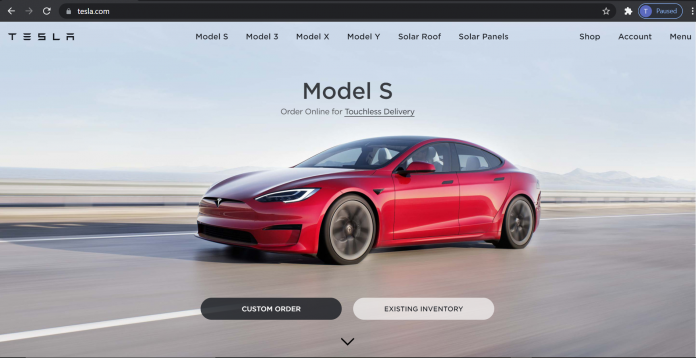
The Shanghai Government’s aggressiveness in attracting FDI, e.g., TESLA electric car factory.

The Shanghai government is known to be very aggressive. For example, they succeeded in attracting TESLA, the world’s largest electric car manufacturer from the US, to invest a total of USD 5 billion: on October 17, 2018, the Shanghai Government sold industrial land use rights at only around USD 160 million, covering 86.4885 hectares (864,885 m2) for 50 years.

That price is a 50% discount from the market price of the surrounding land. The money is also the result of initial loans from Chinese banks worth about USD 350 million in 2018!!!

So, Tesla is “totally funded” by the Chinese central government and the Shanghai Regional Government because Tesla’s electric cars are the best in the world to date and the Chinese central government has targeted that by 2025, 25% (up from 20%), or between 6 and 7 million units, of all cars produced in China (around 27-28 million per year), must be electric cars.

In addition, giant banks owned by the central government of China: ICBC, CCB and ABC, and that owned by the Shanghai Regional Government: Shanghai Pudong Development Bank (SPDB) provide loans with “special” interest rates of up to USD 1.61 billion (IDR 24 trillion), with 80% of them collateral and the rest without collateral and is a credit that can be rolled over and over again.

The interest rate for the secured loan is around 4.24% per year, or 0.76% below the bank interest rate for prime customers in China which is around 5% per year in 2019 (scmp.com: “Tesla gets preferential rates on USD 1.61 billion of loans from Chinese banks …. “).

The Tesla plant in Shanghai is 100% foreign investment company and belongs to Tesla Motors Hong Kong, a subsidiary of Tesla Corp. Now it has begun production.

IDC releases 2020 China ICT market predictions to help Future Enterprises navigate digital transformation

0

Beijing, December 17, 2019– International Data Corporation (IDC) China on December 10th released its China information and communications technology (ICT) market forecasts for 2020 and beyond – providing essential guidance for technology vendors and buyers in formulating digital transformation roadmaps and business objectives to navigate and succeed in the new decade, as the ICT industry evolves at an unprecedented rate.

The report was presented at “IDC FutureScapes: China ICT Market 2020 Predictions” forum at the Regent Hotel in Beijing, China. With its central theme The Future Enterprise: Hyperscale, Hyperspeed and Hyperconnected, the forum identified key technologies and scenario prospects for China’s ICT market in the next five years.

Over 300 business executives from technology vendors and tech buyers – as well as journalists from more than 20 leading media outlets – explored in the forum how organizations are built with hyperscale capacity, in hyperconnected ecosystems, moving at hyperspeed to become Future Enterprises.

Future Enterprises in the digital economy

Kitty Fok, managing director of IDC China, officially opened the event with her presentation, entitled Future Enterprises in the Digital Economy, noting that the digital economy has entered the fast lane. By 2022, global digital GDP will reach 46 trillion US dollars, accounting for 46% of the total global economic output, with an annual compound growth rate of 36% from 2018 to 2022, she said.

According to Ms. Fok, 2020 will be a critical year in which global political and economic environment would remain volatile. At the same time, China will be closing out its 13th Five Year Plan and transitioning into its 14th Five-Year plan covering the years from 2021 to 2025 and 10-year roadmap through 2030. Meanwhile, digital transformation will enter 2.0 – multiplied innovation powered by ubiquitous artificial intelligence (AI), developer’s population explosion, integration of cloud and edge computing, and redefined trust and automated solutions.

Ms. Fok also noted that new Future Enterprises will emerge and become the main players of the digital economy. Customers, capabilities, critical infrastructure, and industry ecosystems will become the four pillars of enterprise executives. With its Top Ten Predictions 2020 and Future Enterprises series, IDC China is well positioned to collaborate with partners in the era of “Hyper Scale, Speed and Connection” to help them identify business opportunities and drive growth in the digital economy.

Top Ten China ICT Market Predictions—Future Enterprises

Mr. Wu Lianfeng, Vice President and Chief Analyst of IDC China delivered a keynote speech based on the latest global and Chinese economic and technology trends entitled “Top 10 Predictions of China ICT Market-Future Enterprises”. Mr. Wu revealed the top ten China ICT market predictions as follows:

Prediction # 1: Digital innovation factories

By 2025, more than half of China’s top 500 enterprises will be software producers, more than 90% applications will be cloud native, 50% of code sourced externally and there will 1.5 times as many developers as today.

Prediction #2: Digital products and services trigger divides.

By 2023, about 50% of enterprises will ignore market-driven business investment, losing market share to existing competitors and new digital market players who make this kind of investment.

Prediction #3: IT strategy evolves to cope with disruption.

By 2024, the IT strategy of 70% of digitally advanced organizations will evolve into a hybrid of broad, flexible and self-help digital tools to replace the original “walled garden” of the IT-as-an-enabler model.

Prediction # 4: The role of CIO emerges as a new leader.

By 2023, 40% of CIOs will be entrepreneurial leaders who will develop their organizations into centers of excellence, planning for enterprise-wide collaboration and innovation.

Prediction# 5: Cross-Industry mashups to drive new revenue stream

By 2025, 30% of the revenue growth of Chinese enterprises will come from “white space” offerings that combine digital services from previously unlinked industries, and at least 25% of partners will be from previously unconnected industries.

Prediction #6: Platforms are modernized to build capabilities.

By 2023, 60% of organizations will aggressively modernize legacy systems through extensive new technology platform investments, driven by escalating cyber threats and the need for new capabilities.

Prediction #7: Inescapable AI deepens the digital divide.

By 2025, at least 80% of China’s new enterprise applications will embed AI. By 2024, more than 50% of user interface interactions will employ AI-enabled computer vision, speech, natural language processing (NLP) and AR/VR.

Prediction #8: Edge computing and 5G to spur new growth.

By 2023, more than 40% of China’s new enterprise infrastructure deployed will be at the edge rather than corporate data centers, up from less than 10% today. By 2024, the number of applications at the edge will increase 700%.

Prediction # 9: Digital trust takes center stage in next-generation businesses.

By 2023, 30% of China’s top 500 enterprises will name a Chief Trust Officer, who will orchestrate trust across security, risk, compliance, privacy and ethical business operations.

Prediction# 10: Digital employees create innovation competitiveness.

By 2021, the new Future of Work (FoW) practice will improve the capabilities and efficiency of digital employees by 30%, thus improving organizations’ productivity and ability to innovate.

To further contextualize the set of predictions for this year, senior analysts from IDC China shared their insights from the perspective of key ICT markets.

Emerging technologies market predictions

Mr. Zhenshan Zhong, Vice President of IDC China analyzed the current market situation and made future forecasts in four of the seven innovation accelerators. In his presentation entitled Emerging technologies for Future Enterprises, he elaborated on AI, Internet of Things (IoT), Next-generation Security, and Blockchain.

Mr. Zhong said that intelligence will be gradually embedded into the core business of future enterprises, but will be more constrained by compliance, ethics, and interpretability. In the future, connection technologies will further promote the integration of enterprise business and technologies and accelerate the process of service of enterprise products. Digital trust systems will become one of the core areas of competitiveness for enterprises.

Enterprise IT market predictions

Thomas Zhou, Associate Vice President of IDC China, focused on three major issues in his keynote speech: what are the current and future impacts of digital transformation on applications and infrastructure; how can the emerging infrastructure and hybrid cloud deployment support digital transformation on the IT platform level; and how can the emerging cloud native development and business middle platform support digital transformation at the business application level.

Smart Connected Devices market predictions

Antonio Wang, Associate Vice President of IDC China, unveiled the “Top 10 Predictions for China’s Smart Connected Devices Market in 2020” in his keynote speech. According to Mr. Wang, China’s end consumer market has seen the evolution from 3G to 4G and from PC to smartphone over the past decade. A structural change is imminent in China’s end consumer market, with the maturity of panel technology, 10nm processing, growing smart home market, gradual integration of cloud, economic structure, and gradual changes in user characteristics among others.

Mr. Wu concluded that China’s digital economy will also enter the fast lane. By 2023, China’s digital economy will account for 51.3% of the country’s total economic output, with digital products and services comprising the lion’s share. Becoming a Future Enterprise is a must to meet challenges and seize business opportunities. Future Enterprises are determined to digitally transform and can adapt to changes in the external environment. Mr. Wu said that with their digital operations scaled up, Future Enterprises typically have an innovation speed at least 10 times greater than that of their traditional counterparts.

As China has grown to become the world’s second largest economy, challenges and opportunities coexist with unique characteristics in many aspects. R&D spending continues to increase, a 1+1 strategy is imperative in the field of technology, industry leaders are becoming industry giants, the era of making fast money is evolving into a deep-rooted market, new consumer brands still have the opportunity to rise rapidly, and the value of Token has broad prospects in the future. In order to thrive, Future Enterprises must have insights into the new needs of customers, nurture new capabilities of enterprises, build new IT architectures, and create a new industry ecosystem.

Top Ten Chinese Business Quotations

0

1、今天很残酷,明天更残酷, 后天很美好,但绝大多数人都死在明天晚上,看不见 后天的太阳。 
Jīntiān hěn cánkù, míngtiān gèng cánkù, hòutiān hěn měihǎo, dàn jué dàduōshù rén dōu sǐ zài míngtiān wǎnshàng, kàn bú jiàn hòutiān de tàiyáng.
Today is cruel and tomorrow is crueler. The day after tomorrow will be wonderful; however, most people die on tomorrow night and won’t see the sunshine the day after tomorrow. — From Ma Yun, CEO of Alibaba, China’s largest e-commerce company.

(Need to learn to survive in the Chinese business? Take our Survival Business Mandarin Course first!)

2、品牌=品质+品位+品行    
Pǐnpái=pǐnzhì+pǐnwèi+pǐnxíng
Quality, taste and virtue make a brand. — From Niú Gēnshēng, CEO of MENGNIU, one of China’s leading dairy products companies.

3、要避开竞争也不可能,市场肯定有竞争,避免竞争,这不是找死么? 
Yào bìkāi jìngzhēng yě bùkěnéng, shìchǎng kěndìng yǒu jìngzhēng, bìmiǎn  jìngzhēng, zhè búshì zhǎosǐ me?
It is impossible to avoid competition for it’s everywhere in the market; aren’t you seeking death if you really try to avoid competition. —From Zong Qinghou, CEO of Wa haha, one of the four largest beverage producers in the world.

4、就像日常生活中人们对水和电的依赖一样,我们要做成互联网上的水和电。 
Jiù xiàng rìcháng shēnghuó zhōng rénmen duì shuǐ hé diàn de yīlài yí yàng, wǒmen yào zuò chéng hùliánwǎng shàng de shuǐ hé diàn.
Like how people rely on water and electricity in their daily life, we are going to make our products like the water and electricity of the internet world. —From Ma Huateng, CEO of Tencent (QQ.com), the most powerful Internet company in China.

(Learn essential Chinese in your daily life now!)

5、海尔的每年都是一个马拉松长跑,每天都是一个百米冲刺。 
Hǎi’ěr de měinián dōu shì yí gè mǎlāsōng chángpǎo, měitiān dōu shì yí gè bǎimǐ  chōngcì.
Every year is a marathon race for Hai’er, and everyday is a 100-meter dash. —From Zhang Ruimin, CEO of Hai’er Group, the fourth largest appliance manufacturer in the world.

6、营销是没有专家的,唯一的专家是消费者,就是你只要能打动消费者就行了。 
Yíngxiāo shì méiyǒu zhuānjiā de, wéiyī de zhuānjiā shì xiāofèizhě, jiùshì nǐ zhǐyào néng dǎdòng xiāofèizhě jiù xíng le.
There are no experts in marketing and the only expert is the customer. So it is crucial to impress the customers. —From Shi Yuzhu, CEO of Giant Interactive Group, the first online game company listed on New York Stock Exchange (NYSE).

(Learn another Chinese word for expert)

7、要有理想,但是不要理想化! 
Yàoyǒu lǐxiǎng, dànshì búyào lǐxiǎnghuà!
To have a dream is important, but don’t be too idealistic! —From Liu Chuanzhi, CEO of Lenovo, the fourth largest PC maker in the world.

8、因为改变不了过去,你只能去创造未来。 
Yīnwèi gǎibiàn bù liǎo guòqù, nǐ zhǐnéng qù chuàngzào wèilái.
You can not change the past, so you have to create the future. —From Li Dongsheng, CEO of TCL Group,  the largest electronic product manufacturer in China.

9、企业里能发现问题,提出问题的人很多,那些能够创造机会和得到机会的是能 够发现问题并解决问题的人。 
Qǐyè lǐ néng fāxiàn wèntí, tíchū wèntí de rén hěn duō, nàxiē nénggòu chuàngzào jīhuì hé dédào jīhuì de shì nénggòu fāxiàn wèntí bìng jiějué wèntí de rén.
Many people in an enterprise can discover problems; however, those who can discover and solve those problems create and get opportunities. —From Tang Jun, Former President of Shanda ENTERTAINMENT, a NASDAQ listed Media Company.

10、只要有信心,人永远不会挫败。 
Zhǐyào yǒu xìnxīn, rén yǒngyuǎn bú huì cuòbài.
As long as you have confidence in your heart, you will never be defeated. —From Li Ning, CEO of Li Ning Sports Group, a leading sports brand in China.

生词 (shēngcí) Vocabulary 

残酷 (cánkù) adj cruel

“残 (cán)” means cruel and “酷 (kù)” means ruthless.

Example:

现实社会总是很残酷。 
Xiànshí shèhuì zǒngshì hěn cánkù.
The real world is always cruel.

美好 (měi hǎo) adj fine/ beautiful/ bright 

“美 (měi)” means beautiful and “好 (hǎo)” means fine or good.

Example:

更美好的未来呈现在我们面前。 
Gèng měihǎo de wèilái chéngxiàn zài wǒmen miànqián.
A brighter future lies ahead.

理想化 (lǐxiǎnghuà) v to idealize 

“理 (lǐ)” refers natural science or logic. “想 (xiǎng)” means to think. “化 (huà)” is a suffix which means to transform.

Example:

A: 我真希望社会中没有竞争,没有压力。
Wǒ zhēn xīwàng shèhuì zhōng méiyǒu jìngzhēng, méiyǒu yālì.
I wish there is no competition or stress in the society.

B: 哎,那样的事情只能存在于理想化的世界中。
Ài, nàyàng de shìqíng zhǐnéng cúnzàiyú líxiǎnghuà de shìjiè zhōng.
That exists only in an idealistic world.

挫败 (cuòbài) v to defeat 

“挫 (cuò)” means repress or oppress. “败 (bài)” means to fail.

Example:

他的努力被反动势力挫败。 
Tā de nǔlì bèi fǎndòng shìlì cuòbài.
His efforts were defeated by the reactionary force.

企业 (qǐyè): n enterprise   

竞争 (jìngzhēng): v to compete   

营销 (yíngxiāo): n marketing   

专家 (zhuānjiā): n expert   

创造 (chuàngzào): v to create   

6 Chinese Proverbs Every Entrepreneur Should ReadUse these words of wisdom to help grow your business and aid you in tough times

0

BY DAN SCALCO, FOUNDER AND DIRECTOR OF GROWTH, DIGITALUX@DANSCALCO

As an entrepreneur who is always seeking to grow and evolve professionally, I try to collect insightful quotes I can use to help manage my business.

Over the years, I’ve collected hundreds of passages. Yet one type always seems to stand out to me–Chinese proverbs. I find myself fascinated with their ability to eloquently and clearly communicate complex ideas such as entrepreneurship.

In order to learn from these ancient words, it’s important to derive personal significance from them so that you can apply their meaning to your life accordingly. Below are my six favorite Chinese proverbs, along with explanations as to how their meanings can help you grow your business.

1) “A bad workman blames his tools.”

Everyone makes mistakes, but the way you handle those mistakes is what determines whether you will be a successful entrepreneur. Instead of making excuses or blaming someone else when you fail, take ownership of it and learn from the experience.

2) “If you want one year of prosperity, grow grain. If you want 10 years of prosperity, grow trees. If you want 100 years of prosperity, grow people.”

When building a business, many entrepreneurs focus too much on the money. While it is important to be cash-conscious, do not let it cloud your judgment. Sustainable businesses are built by investing time and energy into creating a community–both internally, with your employees, and externally, with your customers.

3) “A single conversation with a wise man is better than 10 years of study.”

One of the most important things an entrepreneur can do is reach out to and learn from those who are more experienced than he or she is. These people are often referred to as “mentors.” A mentor can help you overcome certain business-related challenges, home in on your marketing strategy, and better understand your target demographic.

4) “Cheap things are not good; good things are not cheap.”

New business owners tend to be very apprehensive about spending money on their business. Thus they skimp and go for what’s cheap rather than what’s good. This can lead to a lot of headaches when those cheap things break. Do yourself a favor and look at business expenses as investments. Try to make investments in high-quality things that will help grow your business.

5) “Teachers open the door. You enter by yourself.”

You can have the highest level of degree from the most prestigious university, but if you aren’t practically applying that knowledge to help your business grow, does it even matter? For as much time you spend learning, it’s equally important to exercise that knowledge.

6) “The emperor is rich, but he cannot buy one extra year.”

The biggest excuse I hear when people tell me they can’t start their own business is that they “just don’t have the money.” Guess what? Neither did Bill Gates, Larry Page and Sergey Brin, or Mark Cuban. They all started from average, middle-class backgrounds. What they used to their advantage to build their billion-dollar companies was time, a resource that we all have.

4 Penyebab Kanker Paru-Paru Bagi Orang yang Tidak Merokok

0

Jika anda tidak merokok, anda mungkin berpikir bahwa anda tidak terlibat ketika berkenaan dengan kanker paru-paru yaitu, kanker pembunuh nomor satu di AS. Sayangnya, itu adalah sebuah mitos yang mematikan, karena penelitian menunjukkan bahwa jumlah orang yang bukan perokok dengan kanker paru-paru sedang terus meningkat.

JENIS KANKER PARU-PARU YANG BERBEDA

Karena lebih sedikit orang memilih untuk merokok, penyebab lain yang menyebabkan kanker paru-paru mulai menjadi lebih umum. Faktanya, hingga 20 persen orang yang meninggal karena kanker paru-paru adalah orang yang bukan perokok. Dan para peneliti telah menemukan bahwa kanker paru-paru pada orang yang bukan perokok adalah penyakit yang berbeda sama sekali. Jadi dokter sekarang menekankan betapa berbahayanya faktor-faktor lingkungan lainnya.


“Secara pasti ada profil molekuler yang jauh berbeda dalam diri seseorang yang perokok dengan yang bukan perokok,” kata Robert M. Jotte, MD, PhD, di Presbyterian / St. Pusat Medis Luke. Itu berarti sel-sel kanker berkembang secara berbeda, yang dapat mempengaruhi pengobatan dan kemungkinan komplikasi kesehatan lainnya.


Sebagai contoh, orang yang bukan perokok dengan kanker paru-paru mungkin terlihat lebih kecil untuk memiliki chronic obstructive pulmonary disease (COPD) (penyakit paru obstruktif kronis)dan penyakit jantung daripada rekan-rekan mereka yang merokok. Ada juga beberapa saran bahwa kanker-kanker dalam diri seseorang yang bukan perokok mungkin memiliki lebih banyak pilihan pengobatan, yang berarti mereka bisa hidup lebih lama. Perbedaan besar lainnya adalah bahwa wanita tampaknya lebih mungkin terkena kanker paru-paru jika mereka tidak pernah sama sekali merokok, dibandingkan dengan pria.

“Mengapa lebih banyak wanita yang mengembangkan mutasi gen khusus itu tidak sepenuhnya dipahami,” Dr. Jotte berkata. “Ada banyak teori, tetapi penyebab sebenarnya masih sedang dipelajari.

APA PENYEBAB KANKER DALAM DIRI SESEORANG YANG BUKAN PEROKOK?

Merokok masih menjadi penerus penyebab utama kanker paru-paru, tetapi faktor-faktor risiko lainnya berikut ini : dapat menyebabkan kanker paru-paru dalam diri orang yang tidak merokok
Riwayat keluarga
Perokok pasif
Diagnosis kanker sebelumnya
Polusi udara atau bahaya-bahaya lingkungan lainnya

BAGAIMANAKAH ANDA BISA MENGURANGI RESIKO KANKER PARU-PARU ANDA?

Kanker paru-paru sangat tak terduga dalam diri seorang yang bukan perokok sehingga itu biasanya ditemukan pada tahap selanjutnya, yang juga berarti sering lebih sulit untuk diobati. Seperti semua masalah kesehatan, satu ons pencegahan bernilai satu pon penyembuhan, jadi coba petunjuk-petunjuk itu untuk mengurangi kemungkinan anda mengidap kanker paru-paru:

  • RADON* MENGUJI RUMAH ANDA
    Radon adalah sebuah karsinogen yang terjadi secara alami yang dapat mengintai di ruang bawah tanah atau ruang merangkap. Anda dapat membeli kotak uji radon di toko perangkat keras lokal anda untuk memastikan rumah anda aman. Tapi Jotte menambahkan bahwa sementara pengujian radon dianjurkan, jangan stres tentang hal itu. “Seseorang harus menghabiskan proporsi jam yang cukup tinggi di hari di lingkungan tertutup untuk benar-benar mendapatkan tingkat paparan yang terlibat dalam kanker paru-paru,” tambahnya.
  • HINDARI ASAP ROKOK (MEROKOK SECARA PASIF)
    Jika seseorang yang dicintai adalah seorang perokok, dorong mereka untuk berhenti.
    Lima langkah untuk berhenti merokok ini dapat meningkatkan peluang-peluang mereka untuk menghentikan kebiasaan itu hingga 60 persen. Tidak hanya akan bermanfaat bagi kesehatan mereka, tetapi itu juga membantu anda menghindari kanker paru-paru.
  • HINDARI KARSINOGEN
    Anda mungkin terpapar pada bau asbes dan polutan-polutan keras lainnya karena bagian dari pekerjaan anda. Pastikan atasan anda mengikuti pedoman-pedoman OSHA dan selalu mengenakan perlengkapan yang sesuai, seperti masker wajah, untuk membatasi penghirupan
  • MEMERIKSA APAKAH SKRINING ADALAH TEPAT BAGI ANDA
    Jika Anda benar-benar khawatir dengan paru-paru anda, Anda mungkin ingin melihat skrining terhadap kanker paru-paru. Tapi sebagian besar perusahaan-perusahaan asuransi meliputi tes-tes itu hanya untuk orang-orang yang memiliki riwayat merokok. Tanyakan kepada dokter anda jika itu masuk akal untuk anda.
  • TETAPLAH TERHUBUNG PADA DOKTER ANDA
    Jika seseorang di keluarga anda telah menderita kanker paru-paru, bicaralah, sehingga dokter anda bisa lebih waspada dalam menemukan tanda-tanda awal kanker paru-paru dalam diri anda. “Bahkan jika anggota keluarga dengan kanker paru-paru itu perokok, saya pikir hal itu perlu menjadi perhatian anda,” kata Jotte.

Dan pastikanlah untuk membahas setiap gejala-gejala yang aneh dan yang tidak begitu aneh. “suatu batuk yang terus-menerus tidak hilang bukanlah sesuatu yang seharusnya diabaikan,” kata Jotte. “Banyak gejala-gejala itu yang bisa menunjukkan suatu masalah yang mendasari seperti kanker paru-paru yang sebenarnya adalah gejala-gejala sangat umum yang kita semua dapat kan pada beberapa titik dalam masa hidup kita,” katanya. “Mengalami batuk, mengalami sedikit sakit di dada dan terasa nafas sedikit pendek adalah masalah-masalah umum, tetapi hal-hal itu juga gejala kanker paru-paru.”

Walaupun setiap bentuk kanker adalah menyeramkan, anda tidak perlu panik. Jotte mengatakan pentingnya untuk mengingat bahwa walaupun jumlah pada orang yang bukan perokok mengidap kanker paru-paru sedang melonjak, kebanyakan orang sehat yang bukan perokok tidak mengidap kanker paru-paru.

*Radon adalah suatu unsur kimia dalam tabel periodik yang memiliki lambang Rn dan nomor atom 86. Radon juga termasuk dalam kelompok gas mulia dan beradioaktif. Radon terbentuk dari penguraian radium. Radon juga gas yang paling berat dan berbahaya bagi kesehatan. (Sumber : Wikipedia)

Risiko Adalah Salah Satu Peluang Bisnis

0

Asuransi untuk risiko serangan dan peretasan di dunia maya
Usaha asuransi adalah salah satu bidang yang paling banyak jenisnya. Salah satu contohnya adalah risiko dari dan di dunia maya (cyber risk). Peretasan dan serangan di dunia maya semakin lama semakin berat dan sering.  Contoh: Tahun lalu, SingHealth, grup lembaga perawatan kesehatan yang terbesar di Singapura, mengalami pencurian data sekitar 1,5 juta orang data pasiennya, yang mencakup rincian obat-obat yang diberikan kepada sekitar 160.000 orang.  Tahun 2018, Chubb, sebuah perusahaan asuransi, meneliti 300 buah perusahaan UKM tahun lalu. Temuannya: tiga di antara lima UKM telah mengalami peretasan dan sehingga menimbulkan kekacauan (disrupsi) dan kebocoran data selama 12 bulan. Tetapi, mayoritas orang yang disurvei percaya bahwa perusahaan-perusahaan besar mengalami lebih banyak risiko serangan cyber daripada yang kecil.

Nah, kejadian-kejadian itu menunjukkan peluang usaha baru untuk asuransi data perusahaan maupun pribadi. Di Singapura saja, asuransi terhadap kejahatan di dunia cyber masih pada tahap awal. Orang Indonesia yang terkenal kreatif pasti dapat memanfaatkannya!!!

CDS, Asuransi Risiko Investasi di pasar modal
Salah satu contohnya dikenal sebagai credit default swap (CDS), yaitu salah satu bentuk “asuransi” yang paling umum terhadap gagal bayar (default) atau peristiwa kredit lainnya sehubungan dengan obligasi pemerintah maupun swasta. CDS adalah satu produk derivatif (turunan) atau kontrak keuangan yang memungkinkan seorang investor yang memegang suatu obligasi untuk”menukar” risiko kreditnya dengan risiko kredit investor lain.  

Misalnya, tariff CDS obligasi RI yang bertenor 5 tahun saat ini adalah 110,595 point (atau 1,10595%) per tahun. Sebagai perbandingan, CDS untuk obligasi pemerintah China adalah 51,875 point (0,52875%) per tahun dan Yunani 405,52 point (4,0552%) per tahun.  Jadi, pemegang (investor A) obligasi pemerintah RI yang khawatir pemerintah RI akan mengalami default bisa bisa mencari investor lain (Investor B) untuk menjamin bahwa Investor B akan mengganti uang Investor A sebesar nilai obligasi jika terjadi default tersebut, dengan syarat Investor A membayar “asuransi” sebesar 1,10595% per tahun. Nah, Investor B bertindak sebagai “perusahaan asuransi” itu. Kontrak CDS biasanya berlaku sampai tanggal jatuh tempo obligasi yang bersangkutan. Kontraknya biasa menyebutkan bahwa Investor B akan juga membayar bunga-bunga yang gagal bayar untuk obligasi tersebut selama masa antara tanggal kontrak CDS dan tanggal jatuh tempo obligasi.

Catatan: Risiko tetap ada yaitu default dan/atau pailitnya Investor B (sebagai penjual CDS, atau “perusahaan asuransi”). Misalnya, Lehman Brothers dan Bear Stearns di AS pada tahun 2008 sehingga menimbulkan krisis kredit dan juga Resesi Besar.

Sebagian besar penerbit obligasi yang dijamin dengan hipotek perumahan, biasanya disebut sebagai mortgage-backed securities (MBS; Sekuritas Beragunan Hipotek), juga pailit. Tetapi, mayoritas penerbit obligasi dan surat utang yang lain , misalnya RI, tetap ada. Jadi, CDS mengurangi risiko kredit, tidak menghilangkannya.
Kontrak CDS diperdagangkan secara bebas, alias over-the-counter, sehingga tidak terlacak oleh regulator.

Di AS, Dinas Pengendali Mata Uang (OCC) memberikan ijin, mengatur dan mengawasi semua bank nasional dan lembaga simpan-pinjam di AS, yang juga mencakup cabang-cabang dan perwakilan bank asing yang diberi ijin oleh pemerintah Federal AS. OCC adalah salah satu biro independen yang didirikan berdasarkan UU Mata Uang Nasional AS tahun 1863 dan berada di bawah Departemen Keuangan AS. OCC menerbitkan laporan kuartalan tentang kontrak-kontrak derivatif kredit. Pada Juni 2018, OCC memperkirakan bahwa pasar total untuk kontrak-kontrak itu bernilai USD 4,2 triliun (sekitar 4 x GDP Indonesia), dengan CDS  menguasai USD 3,68 triliun.

Jadi, jika anda punya dana yang besar, anda bisa menjadi Investor CDS.

Terbongkar: Skandal Terbesar Penerimaan Mahasiswa di AS

0

50 Orang Selebritis Hollywood, Actor, Aktris Hartawan, Profesor, Pelatih Olahraga dll Digugat Oleh Para Jaksa Pemerintah AS

New York Times (NYT) hari ini memberitakan bahwa kemarin (Selasa) bahwa para jaksa di enam negeri bagian AS mengajukan gugatan pidana penipuan dan persekongkolan terhadap 33 orang AS: actor dan aktris film, dokter, professor, investor, pemilik perusahaan besar dll karena telah menyuap dan menyogok serta bersekongkol dengan para pelatih olahraga untuk membuat surat-surat keterangan dan sertifikat palsu tentang prestasi dan kegiatan olahraga anak-anak 33 orang tajir itu. Selain itu, para jaksa AS itu juga menggugat sejumlah pengawas ujian masuk dan joki yang bersekongkol dengan 33 orang itu agar anak-anak mereka  lolos ujian masuk universitas-universitas paling top di AS.  Biangnya yang juga digugat: WS, pemilik perusahaan persiapan masuk perguruan tinggi yang mengatur skandal itu. Dia diduga telah menerima sekitar USD 25 juta (Rp 355 miliar) antara tahun 2011 dan Februari 2019.

Menurut NYT, contoh persekongkolan dan penipuan:
1. Seorang gadis remaja yang tidak pernah bermain soccer (sepak bola gaya AS) secara ajaib menjadi seorang bintang tim soccer di sebuah universitas top. Biaya yang dikeluarkan oleh ortunya: USD 1,2 juta (sekitar Rp 17 miliar).

2. Seorang siswa SMU yang sangat ingin mendaftarkan diri di sebuah universitas top lainnya dipalsukan datanya sehingga ia dianggap mengalami kesulitan atau gangguan belajar sedemikian rupa sehingga dia dapat mengikuti uji standar bersama-sama dengan seorang pengawas ujian yang merangkap kaki-tangan ortunya yang akan memastikan bahwa siswa itu mendapatkan angka yang tepat. Biaya yang dikeluarkan oleh ortunya: USD 50.000.  

3. Seorang siswa lainnya yang tanpa pengalaman mendayung perahu sama sekali mendapatkan kursi di tim dayung universitas top  setelah sebuah foto orang lain yang sedang ada di sebuah perahu diajukan sebagai salah satu bukti “keahlian siswa itu.” Biaya: USD 200.000 (Rp 2,84 miliar) yang ditransfer ke sebuah rekening khusus.

Skandal itu adalah gugatan terbesar yang pernah diajukan oleh Departemen Kehakiman AS tentang penerimaan mahasiswa/-i baru di perguruan tinggi AS. Penyelidikan  itu luas sekali sehingga melibatkan 200 orang agen/detektif/petugas hukum pemerintah federal AS.

“Orang-orang tua itu adalah para penggerak utama penipuan ini, “ kata Andrew E. Leiting, pengacara pemerintah AS untuk Daerah Massachusetts.

Semoga hal ini tidak terjadi di Indonesia. (IST)

Syair 43 Dhammapada Kisah Soreyya

0

“(Karena pikiran jahatnya tentang Arahat Mahakaccayana,  pria yang punya isteri dan dua orang putra  berubah wujud menjadi wanita, lalu ia menikah dengan seorang pria dan melahirkan dua orang putra, kemudian berubah lagi menjadi wujud semulanya, yaitu pria, dan menjadi anggota Sangha kemudian Arahat)”

1.    Ketika berdiam di Vihara Jetavana, YMS Buddha mengucapkan Syair 43 dari buku ini, dengan mengacu pada Soreyya, putra seorang kaya di Kota Soreyya. 
Pada suatu ketika, Soreyya, dengan didampingi seorang teman dan beberapa orang pelayan sedang pergi keluar naik kereta mewah untuk mandi. Pada saat itu Thera Mahakaccayana sedang mengatur jubah beliau di luar kota itu karena beliau akan masuk ke kota itu untuk pindapata. Melihat roman keemasan sang thera, pemuda Soreyya berpikir,” Seandainya sang thera adalah isteri saya, atau seandainya roman isteri saya adalah seperti roman beliau.” Begitu pengharapan itu timbul dalam dirinya, jenis kelaminnya berubah dan menjadi wanita.  Karena sangat malu, ia turun dari kereta dan berlari jauh sambil mengambil jalan ke Taxila. Teman-teman seperjalanannya kehilangan diirnya, mencarinya tetapi tidak dapat menemukannya.

2.    Soreyya, yang saat itu wanita, menawarkan cincin cap resminya kepada beberapa orang yang sedang menuju Taxila agar menginjinkannya ikut naik kereta mereka. Begitu tiba di Taxila, teman-team  seperjalanannya memberitahu seorang pria kaya di kota itu tentang wanita yang ikut mereka. Merasa Soreyya sangat cantik dan berusia yang cocok untuk dirinya, pria itu menikahinya. Sebagai salah satu hasil pernikahan itu, dua orang putra dilahirkan; juga ada dua orang putra yang lain dari pernikahan Soreyya yang sebelumnya ketika ia sebagai pria.

3. Suatu hari pemuda  yang putra seorang pria kaya dari kota Soreyya datang ke Taxila dengan lima ratus buah kereta. Karena mengenalinya sebagai salah seorang teman lamanya, wanita Soreyya minta pemuda itu datang.   Pemuda itu terkejut karena ia diundang sedangkan ia tidak kenal wanita yang mengundangnya itu. Ia memberitahu wanita Soreyya bahwa ia tidak mengenalnya dan bertanya kepada Soreyya apakah Soreyya mengenalnya.   Soreyya menjawab bahwa ia mengenal pemuda itu dan juga bertanya tentang kesehatan keluarga Soreyya serta orang-orang lain di kota Soreyya. Lalu, pemuda dari kota Soreyya itu memberitahunya tentang putra pria kaya yang telah hilang dengan misterius itu ketika sedang perjalanan keluar untuk mandi. Kemudian, wanita Soreyya mengungkapkan identitasnya dan menceritakan semua yang telah terjadi, tentang pikiran-pikiran jahat mengenai Thera Mahakaccayana, perubahan jenis kelamin dan pernikahannya dengan pria kaya dari Taxila. Lalu, pemuda dari kota soreyya itu menasihati wanita Soreyya untuk meinta maaf dari thera tersebut. Karena itu, Thera Mahakaccayana diundang ke rumah Soreyya dan makanan persembahan ditawarkan kepada beliau. Setelah makan, wanita Soreyya dibawa ke hadapan sang thera dan pemuda dari Soreyya itu memberitahu sang thera bahwa wanita itu pada suatu ketika adalah putra seorang pria kaya dari kota Soreyya. Lalu, ia menjelaskan kepada sang thera bagaimana Soreyya berubah menjadi wanita karena pikiran-pikiran jahatnya terhadap sang thera yang terhormat itu. Kemudian, wanita Soreyya dengan penuh hormat minta maaf Thera Mahakaccayana. Lalu, sang thera berkata,”Bangun, saya memaafkan anda.” Begitu perkataan tersebut diucapkan, wanita itu berubah kembali menjadi pria. Lalu, Soreyya berpikir bagaimana dalam satu kehidupan saja dan dengan sebuah tubuh saja ia telah mengalami perubahan jenis kelamin dan bagaimana putra-putra telah dilahirkannya. Karena merasa sangat lelah dan jijik dengan semua hal itu, ia memutuskan meninggalkan kehidupan rumah tangga dan ikut Sangha di bawah sang thera.

4. Setelah itu, ia sering ditanya,”Siapa yang anda lebih sayangi, dua orang putra yang anda miliki ketika sebagai pria atau dua orang lainnya yang anda miliki ketika sebagai isteri?” Kepada mereka, ia menjawab bahwa rasa sukanya  untuk putra-putra yang lahir dari rahimnya adalah lebih besar. Pertanyaan itu diajukan kepada dirinya sedemikian sering sehingga ia berasa sangat jengkel dan malu. Jadi, ia tinggal sendiri dan dengan ketekunan, merenungi kelapukan dan berurainya tubuh. Ia segera mencapai tingkat Arahat  berikut patisambhidā (Pengertian yang Analitis tentang Sifat Sejati Fenomena). Ketika pertanyaan lama itu diajukan kepada diri beliau, beliau menjawab bahwa beliau tidak memiliki rasa suka kepada siapa pun secara tertentu. Mendengar beliau demikian, bhikkhu-bhikkhu yang lain berpikir beliau pasti sedang berdusta. Ketika dilapori tentang Soreyya yang memberikan jawaban berbeda, YMS Buddha bersabda,”Putra-Ku tidak sedang berdusta, ia sedang berkata sesungguhnya. Jawabannya sekarang berbeda karena ia telah menjadi Arahat sehingga tidak ada lagi rasa suka kepada siapa pun secara tertentu. Dengan pikirannya yang sangat terarah, putra-Ku telah menimbulkan dalam dirinya suatu kebahagiaan dan kepuasan yang tidak dapat ayah ataupun ibu berikan kepadanya.”

5. Kemudian YMS Buddha mengucapkan syair sebagai berikut:
Syair 43: Tidak seorang ibu, atau ayah, atau anggota keluarga lain pun dapat berbuat lebih banyak untuk kesejahteraan seseorang daripada pikiran yang terarah dengan benar.

Pada akhir khotbah itu banyak yang mencapai tingkat kesucian Sotapatti Phala, atau menjadi Sotapanna penuh. 

(Diterjemahkan oleh TjanSieTek, M.Sc., Penerjemah Resmi & Bersumpah, dari The Dhammapada Verses and Stories, terjemahan Daw Mya Tin, M.A., yang disunting oleh Komite Penyuntingan Persatuan Tipitaka Myanmar, Rangoon, Myanmar, 1986)

Belajar Cara Hidup & Bisnis Unik Dari Steve Jobs, Mantan Pendiri & CEO Apple Computer & Pixar Animation Studios, AS

0

Steve Jobs DO dari Reed College setelah semester pertama tetapi tetap ikut mengikuti mata-mata kuliah yang ia sukai dengan status drop-in (mampir mendadak) selama sekitar 18 bulan sebelum benar-benar keluar.

Latar belakang & penyebab DO menurut perkataan Steve Jobs sendiri:
Ibu kandung saya adalah mahasiswi S2 muda yang hamil di luar nikah.  Ibu saya bertekad bahwa saya harus diadopsi oleh lulusan universitas. Maka, saya pun diperjanjikan untuk dipungut anak sejak lahir oleh  seorang pengacara dan isterinya. Sayangnya, begitu saya lahir, tiba-tiba mereka berubah pikiran karena mereka sebenarnya ingin bayi perempuan. Maka, orangtua saya yang sekarang, yang pada saat itu ada di daftar tunggu, mendapatkan telepon di tengah malam dari seseorang yang bertanya,” Kami punya bayi laki-laki yang tidak diperkirakan. Apakah anda berminat?” Mereka menjawab,”Tentu saja.” Lalu, ibu kandung saya mengetahui bahwa ibu angkat saya tidak pernah lulus kuliah dan ayah angkat saya bahkan belum tamat SMU. Dia menolak menandatangani dokumen-dokumen adopsi yang final. Sikapnya baru melunak beberapa bulan kemudian setelah orangtua saya “berjanji akan menyekolahkan saya sampai perguruan tinggi.”

Tujuh belas tahun kemudian saya betul-betul kuliah. Tapi, dengan naifnya saya memilih universitas yang hampir sama mahalnya dengan Stanford sehingga seluruh tabungan ortu saya yang hanya pegawai rendahan habis untuk biaya kuliah. Setelah enam bulan, saya tidak merasakan manfaatnya. Saya tidak tahu apa yang harus saya lakukan dalam hidup saya dan bagaimana kuliah akan membantu saya menemukannya. Pada saat itu saya sudah menghabiskan semua uang yang dikumpulkan oleh ortu saya seumur hidup mereka. Maka, saya pun memutuskan berhenti kuliah dan percaya bahwa keadaan akan menjadi baik-baik. Saat itu rasanya sangat menakutkan, tetapi, setelah mengingatnya, itu  adalah salah satu keputusan terbaik yang pernah saya buat. Begitu DO, saya langsung dapat berhenti mengambil kelas-kelas wajib yang tidak menarik minat saya dan saya drop-in di perkuliahan yang kelihatan menarik.

Semua masa itu tidak romantis. Saya tidak punya kamar mes sehingga numpang tidur di lantai kamar teman-teman saya. Saya mengembalikan botol Coca-Cola agar mendapatkan uang-uang jaminan senilai 5 sen untuk membeli makanan dan saya berjalan tujuh mil melintasi kota setiap Minggu malam untuk mendapatkan satu makanan enak di kuil Hare Krishna. Saya menyukainya. Banyak di antara yang saya temukan secara tidak sengaja saat itu, karena mengikuti rasa ingin tahu dan intuisi, ternyata kemudian sangat berharga. Ijinkan saya memberi anda satu contoh.

 Reed College mungkin waktu itu adalah yang terbaik di AS dalam hal kaligrafi. Di seluruh penjuru kampus, setiap poster dan setiap label di setiap laci dikerjakan  dalam bentuk kaligrafi tangan  yang indahnya.  Karena sudah DO dan saya tidak harus mengikuti perkuliahan normal, saya memutuskan untuk belajar melakukannya. Saya belajar tentang jenis-jenis huruf serif dan sans serif, mengubah-ubah luasnya spasi di antara berbagai macam kombinasi hutuf, tentang kiat membuat tipografi yang hebat menjadi hebat. Kaligrafi indahan, bersejarah dan berseni sedmikian rupa sehingga tidak dapat ditangkap oleh sains. Saya merasakannya menakjubkan.

Saat itu semuanya itu sama sekali tidak ada harapan pemanfaatan kaligrafi dalam kehidupan saya. Tapi, sepuluh tahun kemudian, ketika kami mendesain komputer MacIntosh yang pertama, semua itu teringat kembali oleh saya dan kami merancang semuanya itu menjadi Mac. Mac adalah komputer pertama yang bertipografi cantik. Seandainya saya tidak drop-in di kuliah satu-satunya di kampus itu, Mac tidak akan pernah memiliki banyak huruf atau font yang berjarak sebanding/proporsional.  Karena Windows sekedar mencontoh Mac, mungkin tidak satu PC pun akan memiliknya. Andaikan saya tidak pernah DO, saya tidak akan pernah drop-in di kelas kaligrafi itu dan PC mungkin tidak memiliki tipografi menakjubkan yang PC miliki sekarang.  Tentu saja tidak mungkin merangkai kejadian-kejadian penting itu sewaktu saya masih kuliah. Tapi, keadaan sangat, sangat jelas ketika mengenangnya 10 tahun kemudian.

Sekali lagi, anda tidak dapat menghubungkan ketiga kejadian itu dengan memperkirakannya melainkan secara mengenangnya. Jadi, anda harus percaya bahwa peristiwa-peristiwa itu akan agak nyambung di masa depan anda.  Anda harus percaya pada sesuatu – keberanian/ketekunan, nasib, kehidupan, karma, atau apa pun yang lain. Cara itu tidak pernah menjatuhkan semangat saya dan telah menciptakan semua perdedaan yang ada dalam hidup saya.

Cerita kedua saya adalah tentang cinta dan kehilangan. Saya beruntung karena saya menemukan apa yang saya ingin lakukan pada awal kehidupan saya. Woz (Patrick Wozniac) dan saya memulai Apple di garasi ortu saya ketika saya berusia 20 tahun. Kami bekerja keras dan dalam 10 tahun Apple telah tumbuh dari hanya kami berdua di dalam sebuah garasi menjadi sebuah perusahaan yang bernilai USD 2 miliar (tahun 2005, sekarang sekitar USD 700 miliar) dengan lebih dari 4.000 orang pegawai (sekarang hampir 140.000 orang). (SFR)